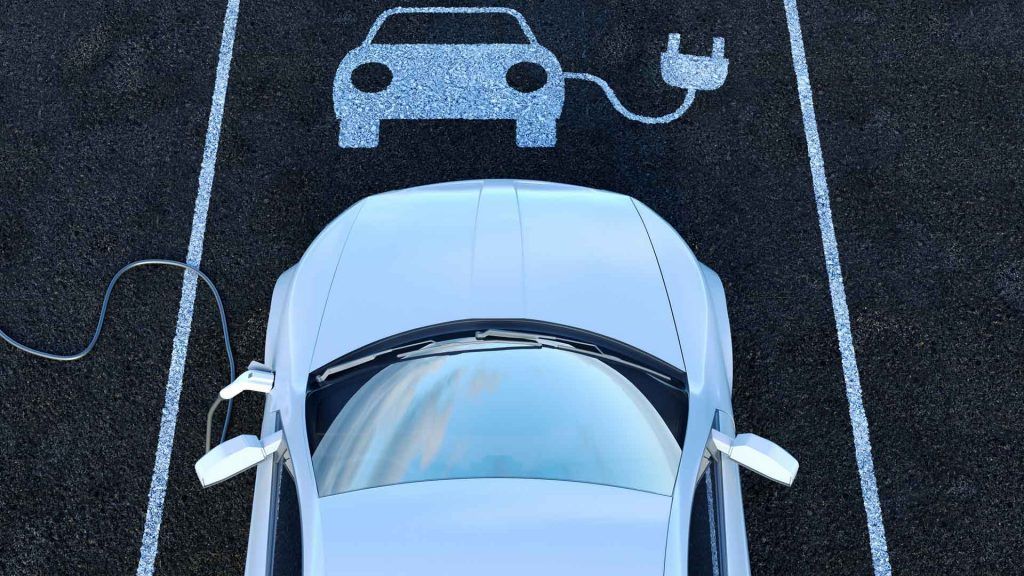
Volkswagen to make EVs in Chattanooga
January 30, 2019

Volkswagen has announced that its Chattanooga, Tenn., plant will serve as its North American base for manufacturing electric vehicles (EVs).

The German automaker’s EV expansion will include an investment of $800 million into the Chattanooga facility and create 1,000 jobs at the plant, plus additional jobs at suppliers. EV production at the site will begin in 2022.

“The US is one of the most important locations for us and producing electric cars in Chattanooga is a key part of our growth strategy in North America,” said Dr. Herbert Diess, CEO of Volkswagen AG.

Volkswagen estimates selling 150,000 EVs by 2020 worldwide, increasing that number to 1 million by 2025.

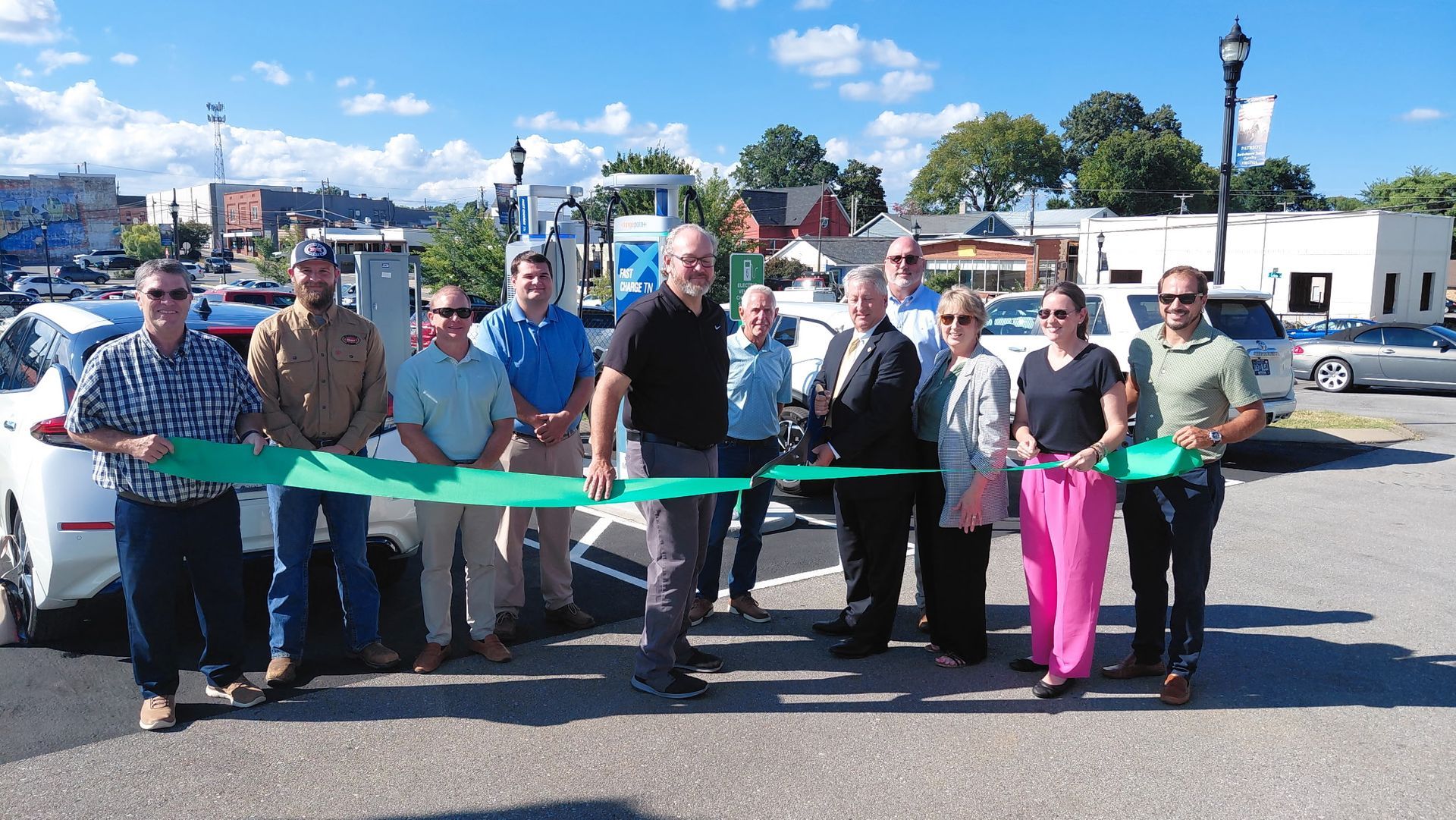
Seven States Power Corp. Vice President Betsey Kirk McCall said that when VW’s new EVs hit the road, 7SPC-installed chargers will be ready.

“Seven States is pleased to see Volkswagen add EVs to its line of vehicles made in Chattanooga,” she said, “because EVs are the future, and that future is now.

“We’ve recently installed EV chargers at our Chattanooga location and are working on expanding that reach. Seven States will continue to focus on serving its members with similarly forward-looking products and services,” McCall said.
By Jessica Bradshaw February 15, 2026
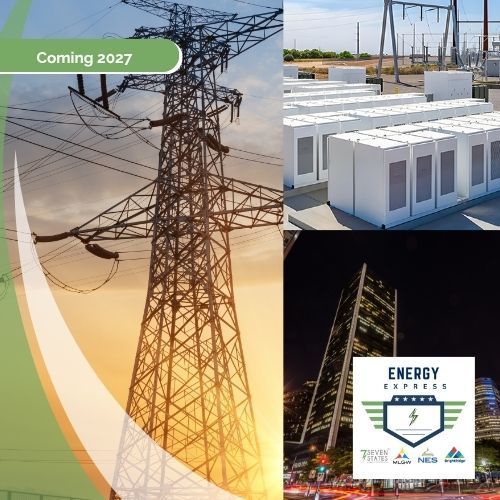
Chattanooga Times Free Press | 15 Feb 2026 | BY SEVEN STATES POWER CORPORATION BOARD OF DIRECTORS Demand for energy is climbing while extreme weather events like Winter Storm Fern and Winter Storm Elliott continue to challenge an already constrained electric system. Fortunately, there is a ready-now solution. Seven States Power Corporation is a cooperative designed to help meet demand for affordable, abundant and reliable power. Since the 1930s, the Tennessee River Valley has thrived under a vital network of the wholesale power provider — the Tennessee Valley Authority — and the electric utility customers that together form the public power model. More than 150 electric utility customers distribute affordable energy across a seven-state region of Tennessee, Alabama, Georgia, Mississippi, Kentucky, Virginia and North Carolina. In 2007, TVA and the electric utilities joined forces to form Seven States as an in-valley solution to finance power assets, expand energy production and modernize infrastructure. THE ‘IN-VALLEY’ SOLUTION Seven States is a nonprofit generation and transmission cooperative headquartered in Chattanooga. It is member-owned by the electric utility customers of TVA across the seven-state region. The cooperative is uniquely positioned to operate outside established debt constraints and regulatory limitations that restrict other entities. This means Seven States can own large power plants and transmission towers, which frees up debt for TVA to build and operate more power supply. When the electric utility customers collectively own assets through Seven States, it also ensures that rates in the region remain affordable. This flexibility allows Seven States to move quickly to supplement the valley’s energy needs with reliable sources of power. In January 2025, Seven States was awarded $439 million by the U.S. Department of Agriculture, consisting of a zero-interest loan and grant to build new capacity. The first initiative under this award is a utility-scale power project that will enhance grid stability and reliability, benefits that can be shared across the valley. Where demand for capital and power are soaring, Seven States makes it happen. Seven States has a proven history of filling critical gaps when needed. One of its earliest projects with TVA was financing a large power asset — an 800-megawatt gas plant located in Southaven, Mississippi. By partnering with Seven States, the energy sector can nearly double its capital investment to accelerate generation projects. Where finances are constrained, Seven States makes it happen. In addition, Seven States has stepped up to deliver distribution technologies that bridge the past, present and future of a modern energy grid. With projects deployed across the valley at the U.S. Space & Rocket Center in Huntsville, Alabama, Dollywood Parks and Resorts in Pigeon Forge, Montgomery Bell State Park in Burns, Tennessee, Rock City in Lookout Mountain, Georgia, and the National Corvette Museum in Bowling Green, Kentucky, and with more than 500 electric vehicle chargers installed to date, Seven States has proactively advanced infrastructure to support economic development across the region. Where innovation and infrastructure are needed, Seven States makes it happen. In July 2025, the Seven States Board of Directors — representing 17 major electric utilities that purchase power from TVA — unanimously passed a resolution affirming Seven States as an additional supplier of abundant, reliable energy within the valley. By advancing an in-valley solution owned by the customers, the public power model can thrive and evolve from within, guided by those who know the region best. Seven States has built a foundation for the energy future through its cooperative structure and access to affordable capital. It represents a real opportunity to expand power production and light the way for prosperity across the Valley.
By Jessica Bradshaw December 15, 2025
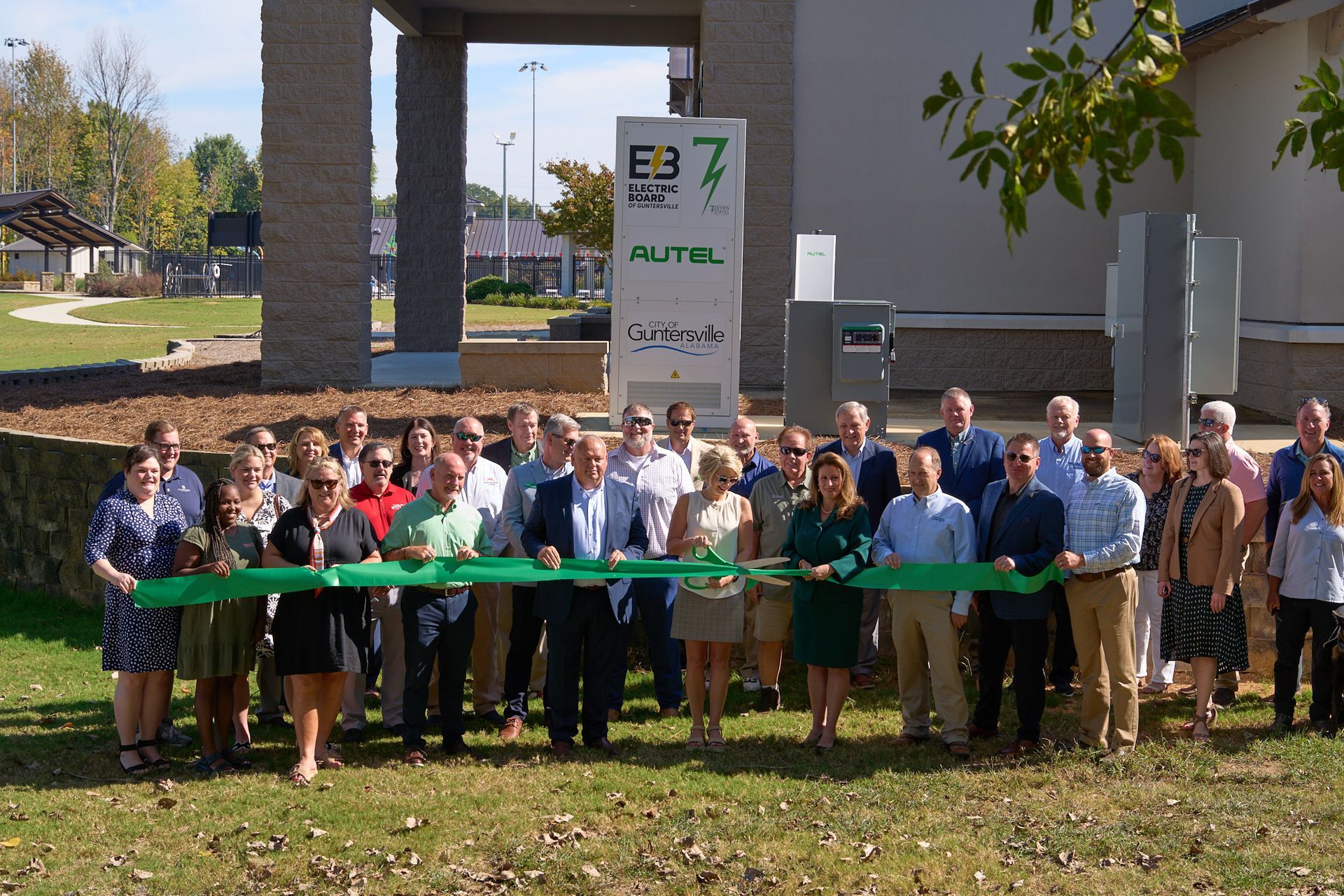
Leading Decatur Utilities as General Manager, Ray Hardin strives to ensure their system is prepared for the future with innovative solutions. We asked him to share some of the ways he’s implemented technology in his LPC’s footprint. “Advanced Metering Infrastructure (AMI) has helped us improve efficiency, maintenance, and long-term planning, while providing customers with usage data through the customer portal that enables them to look for ways to reduce their energy consumption and their cost. AMI has also integrated with the Outage Management and GIS Systems to improve outage tracking and reduce system downtime. We’ve also leveraged Demand Voltage Reduction technology to reduce the wholesale cost of electricity to keep customer rates as low as possible. And over several years, we have implemented LED streetlights throughout the City of Decatur, replacing less efficient lighting and saving the city on lighting costs.” Ray knows his LPC is responsible for the present and future of his community’s needs, and he wants his community to know that he strategically evaluates new technology with a long-term vision. “I want our customer to know that through our implementation of AMI, improved communications, Demand Voltage Reduction and other programs, we continue to look for ways to keep our system safe and reliable and provide the best service to our community at the lowest possible rates.” With so much technological advancement in the Valley, Ray encourages fellow leaders to lean on strategic partnerships to help bring about community change and benefits using cost-efficient solutions.  “Don't go it alone! Seven States, TVA and other agencies bring a wealth of resources that can be leveraged to bring innovation to a local community without breaking budgets. For example, Decatur Utilities was able to install two Level 3 Rapid EV Chargers in our community through a partnership with the City of Decatur, TVA, Seven States, and ADECA. It would have been difficult for us to justify the cost of such a project on our own - but through this partnership, the cost was shared while the benefit to our customers and communities is enormous. Seek out those opportunities for shared funding that will benefit your local area and lean on others who have already researched or implement innovative technologies to get their ideas and advice.”
By Jessica Bradshaw December 15, 2025
As Chief Information Officer for North Georgia Electric Membership Corporation (NGEMC), Brian Childers knows how crucial innovative partnerships and technology are in preparing for the grid of the future. Brian’s extensive experience has given him a deep understanding of technological diversity and strategic partnerships. We asked him to share some of the ways their team brought innovation to the North Georgia EMC membership, as well as his experience with Seven States as a trusted partner. “The most needed technology developments in our footprint focused on improving reliability, security, and member service. Upgrades to SCADA systems enhanced grid monitoring and automation, allowing faster outage detection and restoration. Cybersecurity improvements were critical to safeguarding member data and ensuring uninterrupted service. Mobile workforce tools streamlined field operations, enabling quicker response times to outages and service requests. Additionally, the installation of distribution system sectionalizing equipment, supported by fiber expansion, improved fault isolation and communication across the network, significantly reducing outage durations and strengthening overall system reliability for our members. Seven States has helped our LPC support innovation by providing access to emerging technologies and collaborative opportunities. They also share best practices that keep us aligned with industry advancements and prepared for future member needs.” Brian always considers how their members view NGEMC’s investments in innovation. “I want our members to know that our role in innovation is centered on improving their quality of life and ensuring reliable, secure, and efficient service. We invest in technologies like advanced grid automation, fiber-supported communication systems, and modern outage management tools to deliver faster restoration, better reliability, and enhanced security. Every innovation we pursue is designed to strengthen our community—whether by reducing outage times, enabling smarter energy solutions, or supporting future connectivity needs. Our commitment is to keep members at the heart of every technology decision we make.”  Brian has learned that being plugged into your community and knowing their needs is fundamental to being an innovative leader. He offered this advice to others who might have questions about how to start bringing innovation to their LPC. “NGEMC’s territory includes communities served by multiple power providers, which limits large-scale community investments. Because of this, innovation should focus on projects that deliver clear, measurable benefits to members. Prioritize technologies that improve reliability while helping keep rates affordable. Stay informed on emerging trends like energy storage and flexible rate options while communicating openly with members to encourage adoption. Above all, maintain a long-term vision that balances innovation with financial responsibility, ensuring every investment strengthens member trust and delivers lasting value.”
Show More