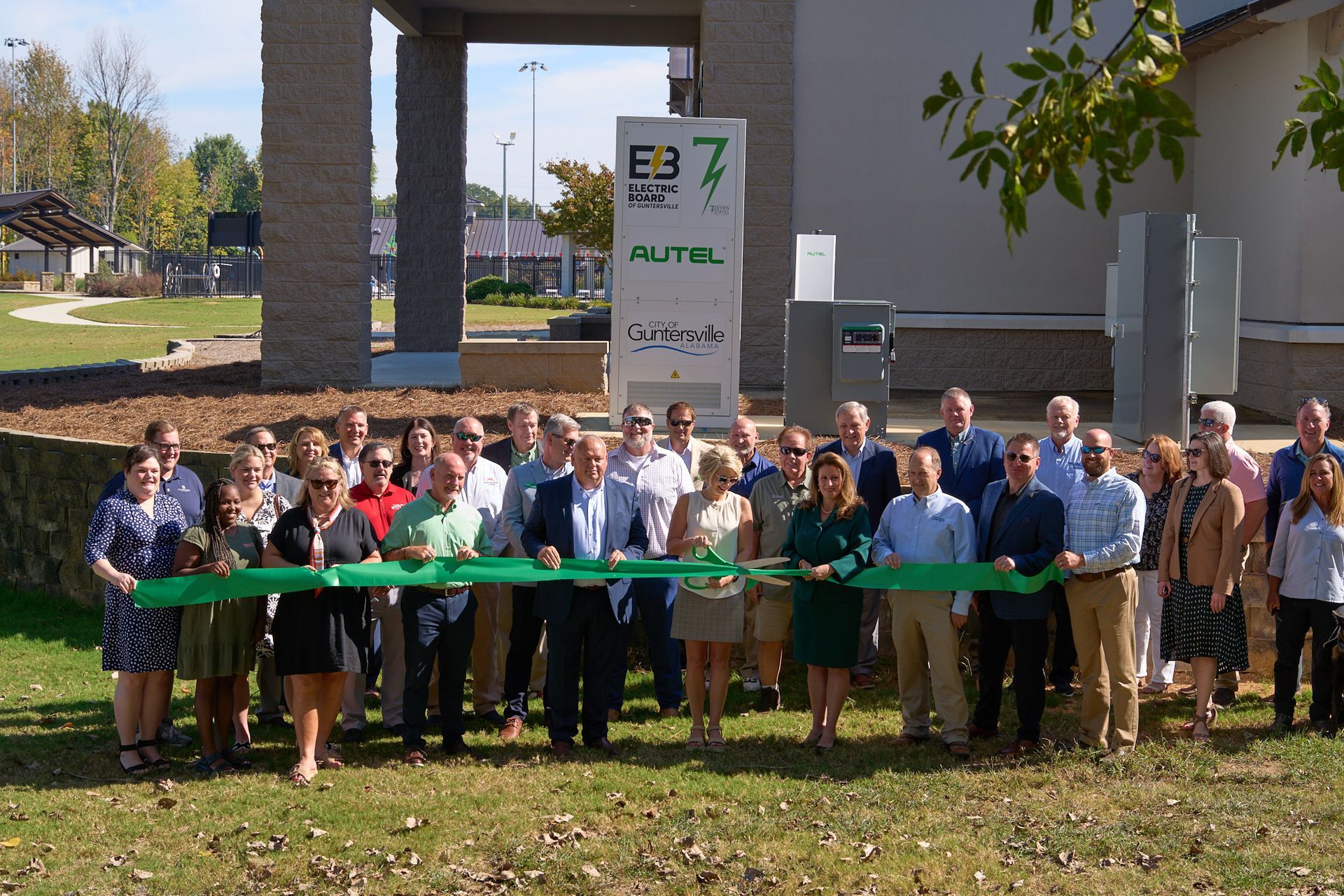
GUNTERSVILLE, AL — October 2, 2026 — Electric Board of Guntersville and the City of Guntersville, in partnership with Seven States Power Corporation, today celebrated the ribbon cutting and official unveiling of a new battery energy storage system (BESS) and two electric vehicle (EV) charging ports at the Guntersville Senior Center. The project represents an investment in reliability, emergency preparedness and modern energy infrastructure for the Guntersville community. The battery system is designed to provide backup power to the Senior Center during outages, helping the facility continue serving residents when reliable electricity is needed most. The addition of battery storage will also enable the Senior Center to meet critical emergency preparedness requirements for designation as a FEMA shelter, strengthening its ability to serve residents during severe weather and other emergency events. “This project is about putting innovative technology to work in a way that directly benefits the people we serve,” said Jason Kirkland, General Manager of Electric Board of Guntersville. “By adding battery storage and EV charging at the Senior Center, we are investing in infrastructure that supports reliability today while preparing our community for the needs of tomorrow.” The City of Guntersville partnered with Electric Board of Guntersville and Seven States to bring a 261kWh battery energy storage system (BESS) to the Senior Center, supporting an investment that strengthens the facility’s role as a vital community resource and enhances its ability to serve residents during emergencies. The battery unit will store energy during off-peak hours and be used as necessary to supply power to the facility during an outage or to deploy power for up to 2 hours back onto the Guntersville electric grid. The two new EV charging ports complement the battery installation by expanding access to charging infrastructure for residents and visitors. Together, the technologies demonstrate how community-scale energy projects can provide practical benefits while helping local power companies modernize infrastructure. “What makes this project special is its purpose. This battery is more than a piece of energy infrastructure, it provides another tool to help Guntersville care for its residents and keep an important community facility powered when it matters most,” said Guntersville Mayor Leigh Dollar. “Seven States was created to help local power companies turn opportunities like this into projects that deliver meaningful benefits in their communities,” said Betsey Kirk McCall, President & CEO of Seven States Power Corporation. The Guntersville project is part of Seven States’ broader work with local power companies across the Tennessee Valley to develop and finance energy infrastructure tailored to local needs.
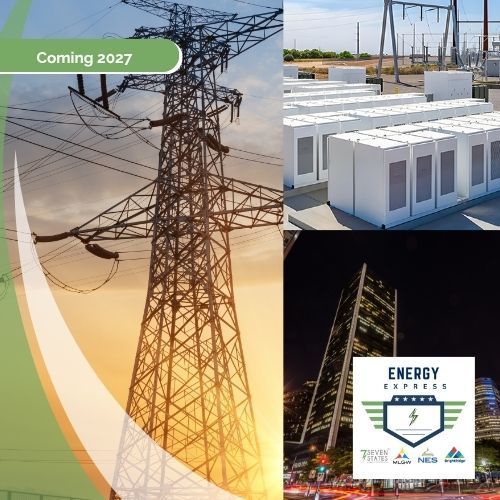
CHATTANOOGA, Tenn. — September 02, 2026 — Seven States Power Corporation has issued a Request for Proposals (RFP) seeking a qualified provider to supply battery energy storage systems and a 20-year long-term service agreement for the Energy Express Project, a 220-megawatt battery storage initiative being developed in partnership with Memphis Light, Gas and Water (MLGW), Nashville Electric Service (NES), and BrightRidge. The competitive procurement represents another major milestone as Seven States advances one of the Tennessee Valley’s most significant investments in distribution-connected battery storage. The Energy Express Project will deploy battery energy storage across multiple locations in west, middle, and east Tennessee, including 100MW in partnership with MLGW, 100MW with NES, and 20MW with BrightRidge. Seven States will own and operate the assets, which will be interconnected with the local utilities’ distribution systems and designed to charge during lower-demand periods and discharge when demand is highest. The systems will provide the utility partners with greater operational flexibility while helping manage peak demand, strengthen reliability, and make more efficient use of existing grid infrastructure. “Moving into procurement marks an important step toward delivering these assets for our local power company partners and the communities they serve,” said Betsey Kirk McCall, President and CEO of Seven States Power Corporation. “Through Energy Express, we are combining federal financing, local partnerships and innovative energy technology to make a long-term investment in the Tennessee Valley’s electric infrastructure. This RFP will help us identify a partner capable not only of delivering the technology, but of supporting its performance and reliability throughout the life of the project.” The Energy Express Project is backed by Seven States’ $439 million award through the U.S. Department of Agriculture’s Rural Utilities Service New Empowering Rural America (New ERA) program. Construction is expected to begin in 2027, with the battery assets targeted for commissioning in late 2028. Interested respondents can access the RFP and additional procurement information at https://www.sevenstatespower.com/rfp-inquiry.
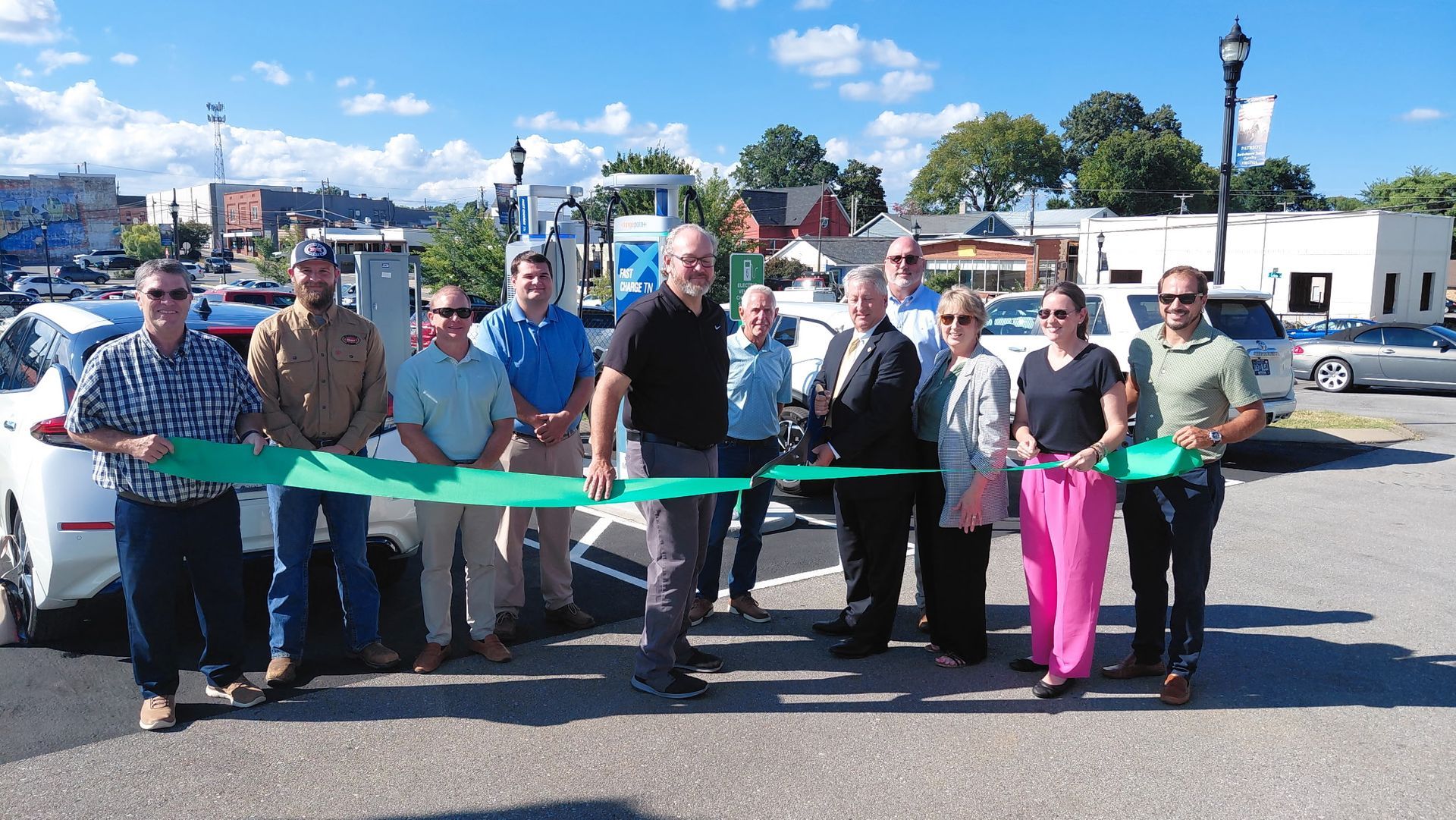
DICKSON, Tenn. — August 4, 2026 — Dickson Electric System, in partnership with Seven States Power Corporation (Seven States), on Tuesday celebrated the official opening of 2 new DC Fast Charge electric vehicle (EV) charging ports that will expand charging access for residents and travelers while supporting continued economic growth throughout the region. Community leaders, elected officials, utility representatives, and project partners gathered for a ribbon-cutting ceremony to commemorate the investment. The new DC Fast Charge EV charging ports mark another exciting step forward in advancing regional transportation infrastructure that will expand convenient charging options for residents and visitors throughout the community. “This project represents our commitment to providing reliable, forward-looking infrastructure that serves our customers both today and in the future,” said Darrell Gillespie, General Manager of Dickson Electric System. “As electric vehicle adoption continues to grow, investments like these help ensure our communities remain connected and ready for what’s next.” The charging ports are part of broader efforts to expand EV infrastructure throughout the Tennessee Valley, providing drivers with increased confidence and accessibility as electric transportation continues to grow. The project was made possible through funds supplied through the TN Fast Charge Network which is a statewide EV charging initiative developed by the Tennessee Department of Environment and Conservation (TDEC) and Tennessee Valley Authority (TVA) to place chargers every 50 miles along major highways. “Seven States is proud to partner with Dickson Electric to bring this project to life,” said Betsey Kirk McCall, President & CEO of Seven States. “Together, we’re helping local utilities meet evolving energy needs while creating lasting value for the communities they serve.” The charging stations will be available for use beginning August 4, 2026. They are located at 210 East College Street, Dickson, TN.